Is Concrete Right for You? The Pros and Cons Guide
When you're planning a home improvement project or a commercial build, the materials you choose set the stage for everything that follows. You might be dreaming of a sleek new driveway, a sturdy foundation for an addition, or a decorative patio for summer barbecues. In almost every scenario, concrete is a top contender. It’s the second most used substance on Earth after water, and for good reason. But is it the right choice for your specific project? At Farmington Concrete, we believe that an educated customer is our best partner. We don't just want to pour your concrete; we want you to understand exactly what you are investing in. Like any building material, concrete has its strengths and its weaknesses. Understanding these trade-offs is crucial to ensuring you are happy with the result not just tomorrow, but twenty years from now.
What Makes Up Concrete?
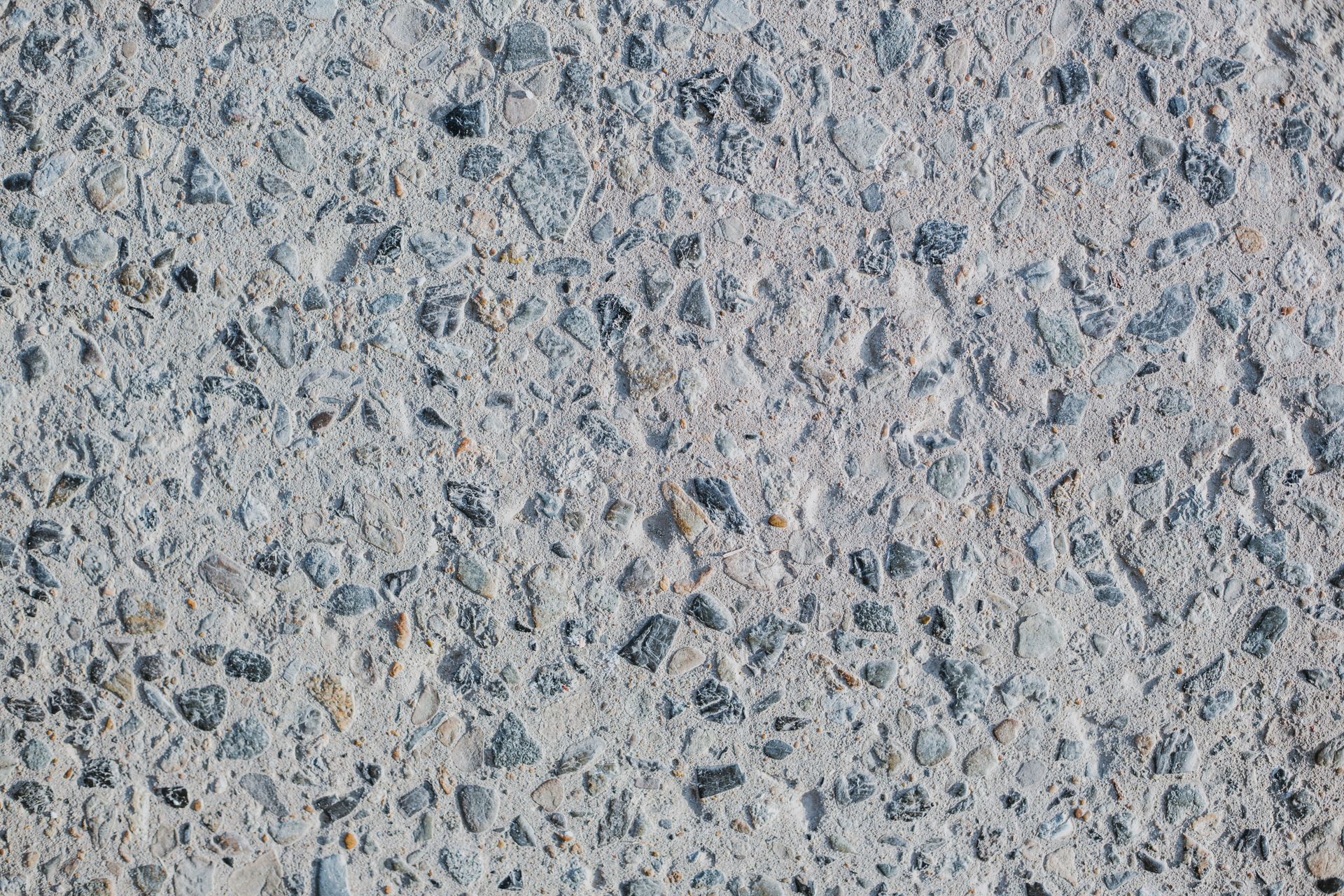
Before weighing the pros and cons, it's important to understand what concrete actually is. Concrete is a composite material made up of several key ingredients, each playing a vital role in its strength and durability:
- Cement: Often referred to as Portland cement, this fine powder acts as the binder, holding everything together. When mixed with water, it triggers a chemical reaction called hydration, forming a strong, stone-like material.
- Aggregates: These are small and large particles, usually a combination of sand (fine aggregate) and gravel or crushed stone (coarse aggregate). Aggregates make up about 60% to 75% of the total mix, giving concrete its body and much of its strength.
- Water: Essential for the chemical reaction with cement, water activates the hardening process and ensures the mixture is workable.
- Admixtures (optional): Sometimes, additional chemicals are added to modify certain properties of the concrete, such as curing time, resistance to freezing, or improved workability.
When these components are properly mixed and poured, they create a material that is both tough and long-lasting. The balance between cement, water, and aggregates is crucial; too much water can weaken the slab, while too little may make it unworkable or prone to cracks. In short, concrete's durability and popularity come from this careful combination of simple yet effective ingredients, making it suitable for a wide range of building projects. In this guide, we’ll strip away the industry jargon and give you an honest, transparent look at the pros and cons of concrete, helping you decide if it’s the perfect fit for your next project.
The Heavyweights: The Advantages of Concrete
Let’s start with why concrete has been the backbone of infrastructure since the Roman Empire. There is a reason we still see structures standing today that were built thousands of years ago.
1. Unmatched Durability and Strength
If you want something to last, concrete is the gold standard. It is incredibly strong, capable of withstanding immense weight and pressure. This makes it ideal for driveways that hold heavy vehicles, foundations that support entire houses, and commercial floors that see constant foot traffic. Unlike asphalt, which softens in the summer heat and can be easily damaged, concrete remains rigid and strong. It doesn't rot like wood, rust like metal, or deteriorate quickly under UV exposure. A well-poured concrete driveway or patio can easily last 30 to 50 years or more. When you calculate the cost per year of lifespan, concrete is often the most economical choice because you aren't replacing it every decade.
2. Low Maintenance Requirements
We know you have better things to do on a Saturday than maintaining your driveway. Wood decks require annual staining and sealing to prevent rot. Asphalt driveways need regular resealing to stop them from crumbling. Concrete? It asks for very little. Once it cures and is properly sealed, concrete is virtually maintenance-free. A simple sweep to remove leaves and debris, and perhaps an occasional pressure wash to remove dirt or oil stains, is usually all that is required to keep it looking pristine. This "set it and forget it" nature is a huge selling point for busy homeowners and business owners in Farmington.
3. Incredible Versatility and Aesthetics
Gone are the days when concrete just meant a boring, grey slab. Today, concrete is a chameleon. It can be shaped, textured, and colored to mimic much more expensive materials.
- Stamped Concrete: We can stamp patterns into wet concrete to make it look like brick, slate, flagstone, or even wood planks.
- Stained Concrete: Acid stains and water-based dyes can transform standard grey concrete into rich, earth-toned surfaces that look like marble or leather.
- Polished Concrete: For interiors, we can grind and polish concrete until it shines like glass, creating a modern, industrial-chic floor that is incredibly durable.
This versatility means you can get the high-end look of stone or pavers without the high-end price tag or the maintenance issues of weeds growing between the cracks.
4. Energy Efficiency (Thermal Mass)
Concrete has high thermal mass, meaning it absorbs and stores heat energy. In a home, concrete floors can absorb heat from the sun during the day and release it slowly at night, helping to regulate indoor temperatures. This can actually lower your heating and cooling bills over time, making it a smart choice for energy-conscious builds.
The Hard Truths: The Disadvantages of Concrete
At Farmington Concrete, we value honesty. Concrete is amazing, but it isn't magic. There are potential downsides that you need to be aware of before committing to a pour.
1. Higher Upfront Cost
There is no getting around it: concrete is an investment. It is generally more expensive to install than asphalt, gravel, or some wood decking options. The cost comes from several factors:
- Materials: Cement production is energy-intensive, and the cost of quality aggregates adds up.
- Labor: Preparing the site—grading the soil, building forms, and installing reinforcement—takes skilled labor and time.
- Finishing: Achieving a professional finish requires experienced craftsmen who know exactly when to float, trowel, and broom the surface.
However, it is important to view this cost in context. While the initial price tag is higher, the long lifespan and low maintenance often make concrete cheaper in the long run.
2. Potential for Cracking
This is the most common concern we hear, and it is a valid one. Concrete is rigid. Unlike asphalt, which is somewhat flexible, concrete cannot bend. If the ground underneath it shifts, or if the concrete shrinks too much during the curing process, it can crack. There is an old saying in our industry: "There are two guarantees with concrete: it will get hard, and it will crack." While we cannot guarantee a crack-free surface 100% of the time, professional installation mitigates this risk significantly. We use control joints (planned cuts in the slab) to encourage the concrete to crack in straight, invisible lines rather than random spiderwebs. We also use steel reinforcement (rebar or wire mesh) to hold the slab together tightly if a crack does occur.
3. Hardness and Unforgiving Nature
The same quality that makes concrete durable—its hardness—can also be a drawback depending on the application.
- Comfort: Standing on a concrete floor all day can be tough on your joints and back. If you use concrete for interior floors, you might need area rugs or anti-fatigue mats in places where you stand often, like the kitchen.
- Safety: If a child falls on a concrete patio, they are more likely to get a scraped knee than if they fell on wood or grass.
- Fragility of Objects: If you drop a glass or a plate on a concrete floor, it will almost certainly shatter.
4. Difficulty of Repairs
If concrete does sustain significant damage—like heaving from a tree root or severe salt damage in winter—it is harder to patch than other materials. You can't just replace a single "board" like you can with a deck. Often, repairing concrete involves resurfacing the entire area or cutting out and re-pouring a section, which can result in a visible difference in color between the old and new concrete.
How Farmington Concrete Tips the Scales in Your Favor
Knowing the pros and cons is step one. Step two is choosing a contractor who knows how to maximize the pros and minimize the cons. This is where Farmington Concrete makes the difference.
You cannot buy a bag of mix at the hardware store and expect the same results as a professional crew. We bring scientific precision and years of local experience to your project.
Professional Site Preparation
The number one cause of concrete failure isn't the concrete itself; it's the ground underneath it. If the soil is loose or poorly drained, the slab will settle and crack. We don't cut corners on prep work. We spend considerable time excavating soft soil, installing a proper gravel base, and compacting it thoroughly. This creates a stable foundation that drastically reduces the risk of settling and cracking.
Custom Mix Designs
We don't just order "concrete." We specify the mix based on your project. A driveway holding heavy trucks needs a different compressive strength (PSI) than a backyard patio. We ensure the mix is perfectly suited to the local Farmington climate, using the right amount of air entrainment to withstand freeze-thaw cycles.
Expert Finishing and Curing
The difference between a DIY job and a pro job is often in the finish. Whether you want a non-slip broom finish for safety or a high-gloss stamped finish for elegance, our craftsmen have the tools and experience to manipulate the surface perfectly before it sets. Furthermore, we apply high-quality sealers that protect the concrete from moisture, stains, and UV damage, extending its life and beauty.
Making the Right Choice
Concrete is a commitment. It’s a permanent addition to your property that will likely outlast your time in the home. It offers strength, beauty, and value, but it demands respect and expertise to install correctly. By understanding the trade-offs, you can make a decision that fits your budget, your aesthetic, and your lifestyle. If you value longevity and low maintenance, and you view your home as a long-term investment, concrete is almost always the superior choice. Don't leave your project to chance. Work with a team that is transparent about the materials and dedicated to the craft. Ready to discuss your project with honest experts? Contact Farmington Concrete today for a professional consultation. Let’s evaluate your needs and build something solid together.
Meta Information
Meta Title: Pros & Cons of Concrete: An Honest Guide | Farmington Concrete
Meta Description: Is concrete right for your project? Farmington Concrete breaks down the durability, costs, and potential for cracking to help you decide.
You might also like